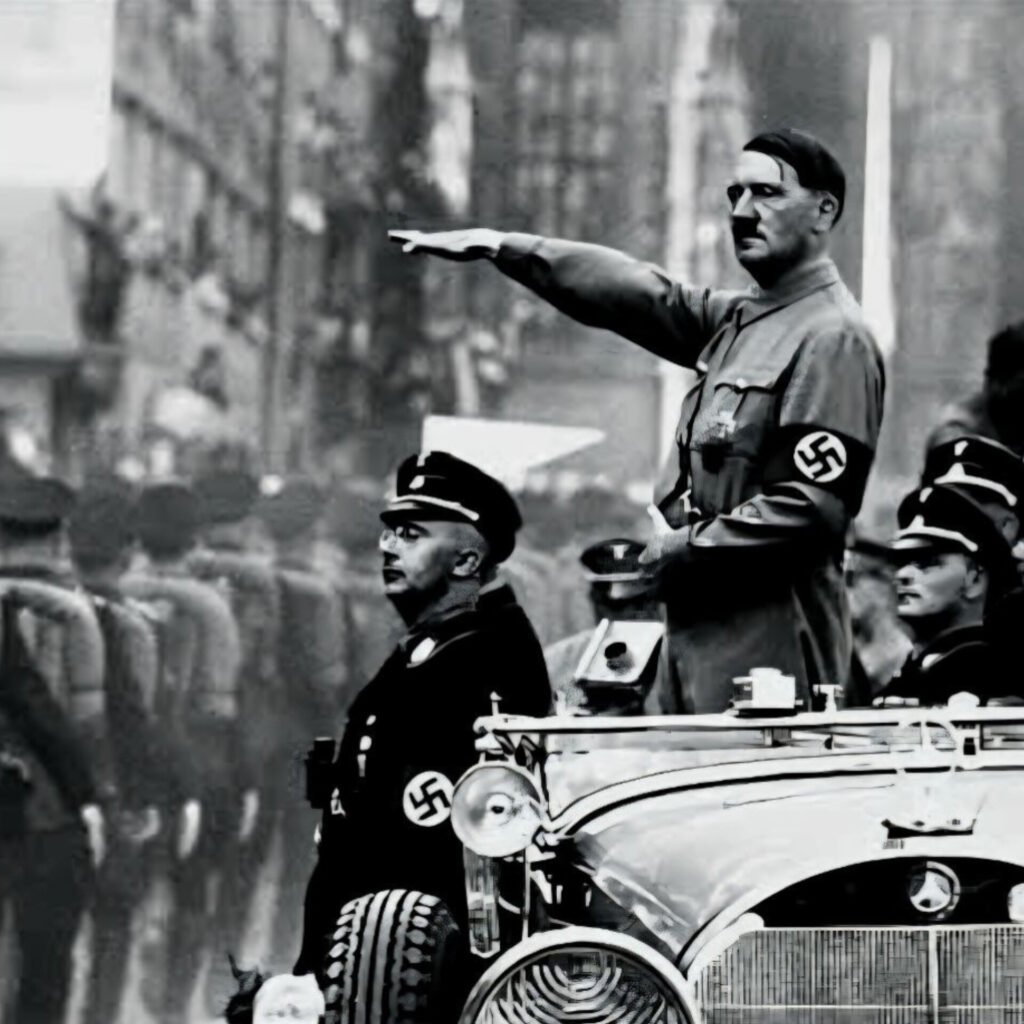
In the years preceding World War II, when Hitler formed the Nazi Party, gradually launching a nationwide suffocation plan and setting about obliterating freedom…
A dear friend said: “They’ve formed a gathering somewhere—reciting Rumi, clapping, playing Daff (A traditional instrument), and getting all spirited.” I asked, “What else?”…
What brings happiness and well-being, Mr. Habibvand? Pleasure and material things? Experiences? Relationships and love? Personal fulfilment and satisfaction? Acceptance? Hope and joyful anticipation?…
There is within the human being a love, a pain, a thorn, a restlessness, a longing— so intense that even if he were given a hundred thousand worlds, he would…
In forested and humid areas, various plants and creatures—such as weeds, insects, and rodents—grow around and even on the roofs of houses, building nests…
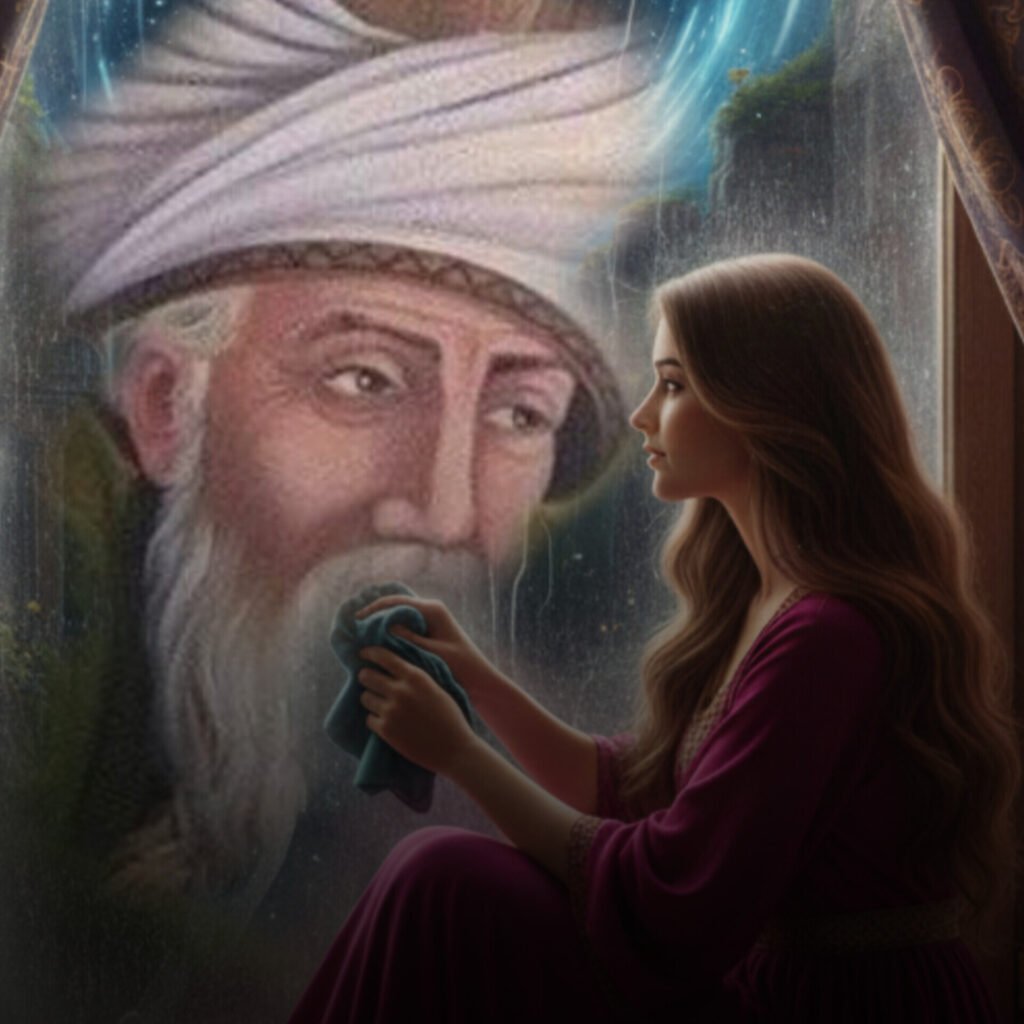
(The Role of Thought in Rumi’s Therapy) The phenomenon of thought (fikr) holds a unique and profound position in Rumi’s worldview—so much so that he sees the…
In many cultures, especially more traditional ones, there’s a common yet flawed norm that says: “It doesn’t matter—no matter who they are, they’re still…
An Interview with the Quarterly Journal Brain and Cognition Iranian Cognitive Sciences and Technologies Development Headquarters Interviewer: Yasaman Safaei Do mental presuppositions help us in…
Greetings Mr. Habibvand, and thank you for your insightful content. Can the observing and managing mindset be considered the same as mindfulness? Or not—because…
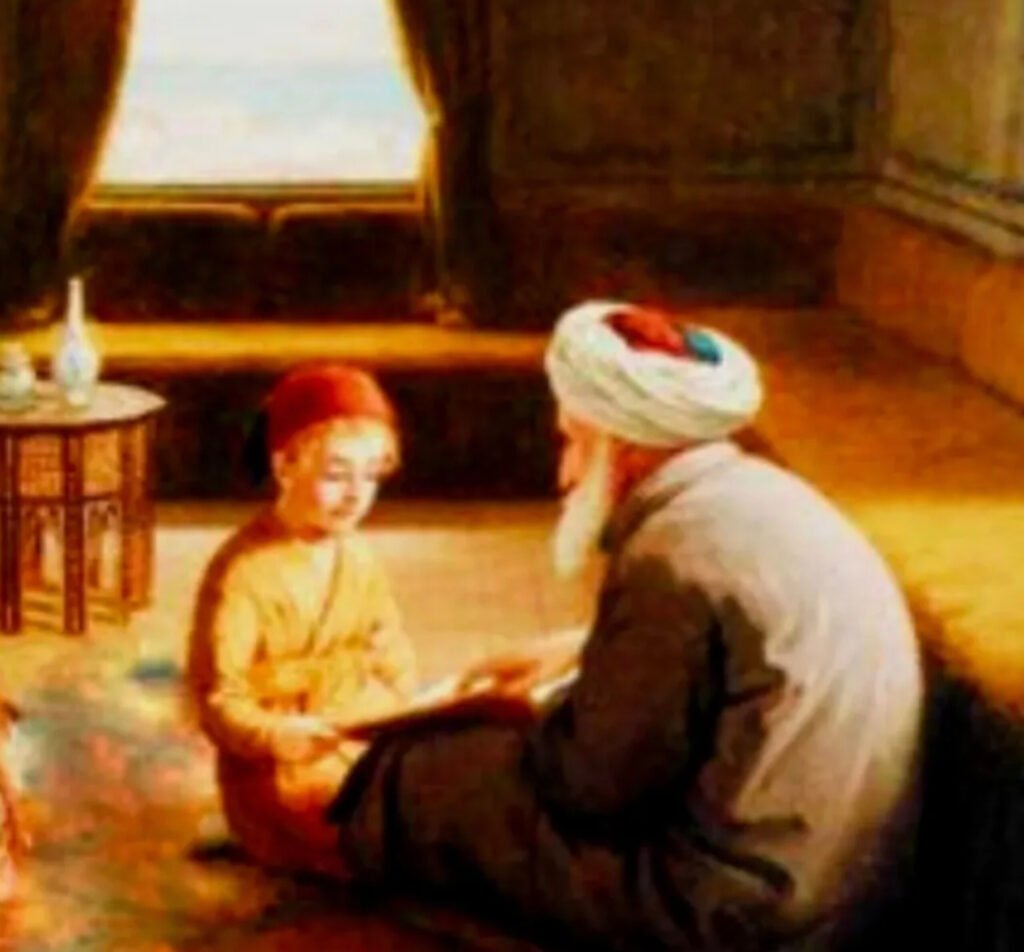
In Rumi’s discourse, the two elements of “body” (tan) and “soul” (jaan) are frequently placed in contrast. However, this contrast does not imply hostility or conflict. The body is like…