
Have individuals been manipulated into accepting a subservient role in society? The Tightrope Walker by Sasan Habibvand describes this phenomenon as fundamental humiliation, in which we are dehumanized, stripped of our true worth, and then exploited.
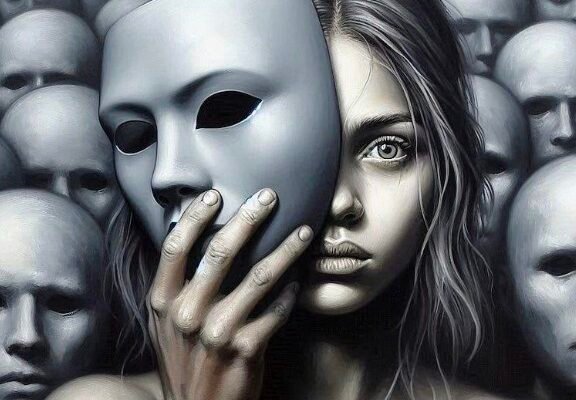
In this exploration of that theme, philosophy teacher Shabe Ashton takes his teenage pupil Soren on a journey of self-discovery. What Soren uncovers is akin to a circus, and he is introduced to the role-play and the masks that people wear. The author points out that society has its own rules based on conformity, applied through reward and punishment. Our self-image is shaped by the way we think others expect us to be. People wrongly believe that identity is determined by religion, ethnicity, or wealth, creating division and fruitless comparisons. Traditions, fashions, fake values, and pressures to consume are followed without question. The author concludes that pain is caused by our own misconceptions. We are influenced by fear, doubt, jealousy, pride, status, or anger. Unlike animals that exist to survive, humans are searching for meaning. Our perceptions of life and death are faulty. The path to truth is knowledge and reason. Like Soren, we must learn to understand the forces at play.
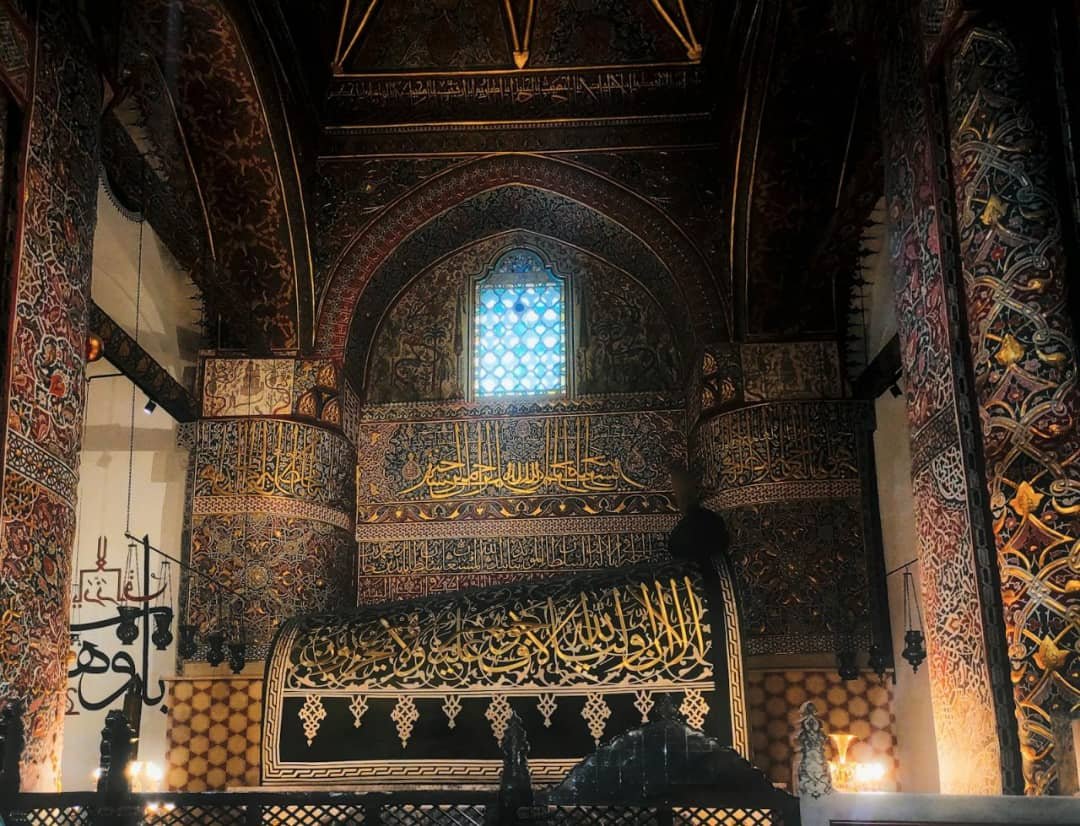
Sasan Habibvand is a philosopher and mystic who is inspired by the Persian sage and poet Rumi, whose wisdom still resonates. The Tightrope Walker is an analysis of the self and the role of the ego, told in the form of a simple story. The participants are totally relatable, and the dialogue is polished. This book digs deeply into the human condition. The writing is full of poetic imagery and flows harmoniously. It incorporates fundamental life lessons. Many of the tales are symbolic. The circus analogy is central and strong, reflecting archetypal values, teaching us that what we see may be an illusion shaped by preconceived belief systems. This book is not about the futility of the modern lifestyle; it is an invitation to escape from our self-imposed prisons.
The Tightrope Walker
A book by Sasan Habibvand