

The Tightrope Walker receives five star from Readers’ Favorite
The Tightrope Walker has been awarded 5 stars by Readers’ Favorite and described as an exceptional read. “The writing is…
Not to enter the circus, but to watch the one you’re already in?
Beaten and bewildered, inquisitive teenager Soren is invited on an unmatched journey by Shabe, his unusual philosophy teacher, to the invisible circus that secretly shapes our lives and relationships. Their shared journal is in your hands: The Tightrope Walker.
Delve into a layered tapestry of philosophy, psychology, and self-discovery, intricately woven into a profoundly moving story. Throughout, Habibvand, a noted Persian scholar of Rumi, offers firsthand access to the timeless treasures of this acclaimed teacher of peace and healing. Undoubtedly a matchless and impactful work, the book offers both a fresh perspective and a practical guide. You won’t be told a story; you will see, feel, and live it. As you flip through the pages, you’ll be amazed at how your thoughts and emotions begin to evolve.
Imagine a pair of glasses: put them on and see what you can no longer overlook – from the manipulative language constantly exchanged, to the imposed self-images silently carried, and the sinister network controlling it all. Or a bell tolling, urging you to awaken, not to depreciate your life in the age-old game under the big top.
Here, a part of you stirs to life: a part that has always felt and seen but never had a voice. Now, it will. Many moments will resonate so deeply that you’ll find yourself saying, “Aha!”, time and again. Once you identify the circus, returning to your old role becomes impossible.
If you loved The Alchemist, The Little Prince, or The Power of Now, it’s definitely time to experience The Tightrope Walker.
Highly embraced by Aurora House Publishers in Sydney as a rare, moving, and profound work, The Tightrope Walker is set to be released soon in Australia and worldwide, ready to captivate and inspire those drawn to extraordinary tales of awakening.

Price per Copy: $34.99 (includes standard postage within Australia)
(An Introduction to the Works, Thought and Teachings of Jalaluddin Rumi)
Who was Rumi? What was his perspective on religion, the world, and life? What does he mean by “Die before you die”? What is his stance on reason, and why does he call the intellect a “wooden leg”? Does Rumi suggest that we must abandon reason and thought to attain happiness? What does “subsistence through annihilation” mean in Sufism, including Rumi’s philosophy? And how can we unlock the meanings of Rumi’s mystical language?
In this rare and enlightening introduction to Rumi’s life and work, we pick up and turn the pages of his poetry, listen to the wisdom of this world-known spiritual teacher, and see the world through his eyes. Through the Eyes of Rumi presents a well-documented and in-depth exploration of his worldview, drawn from his own words and authentic sources.
Divided into five chapters, the book covers:
This book offers an accessible yet deeply insightful journey into Rumi’s philosophical and mystical thought. It is an indispensable work for those seeking an accurate and profound understanding of who Rumi is and what he teaches.
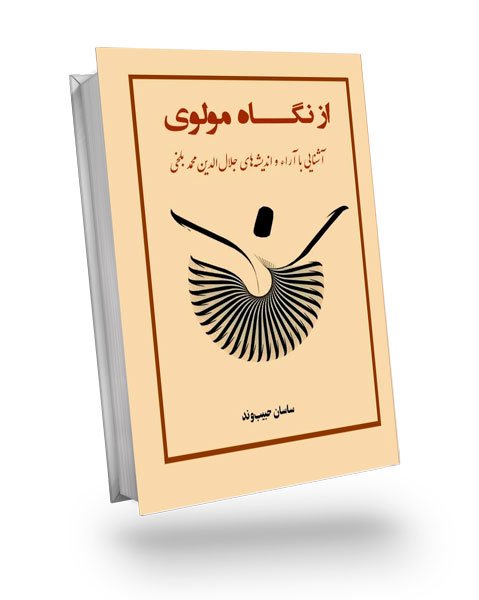
The English Version is Coming Soon
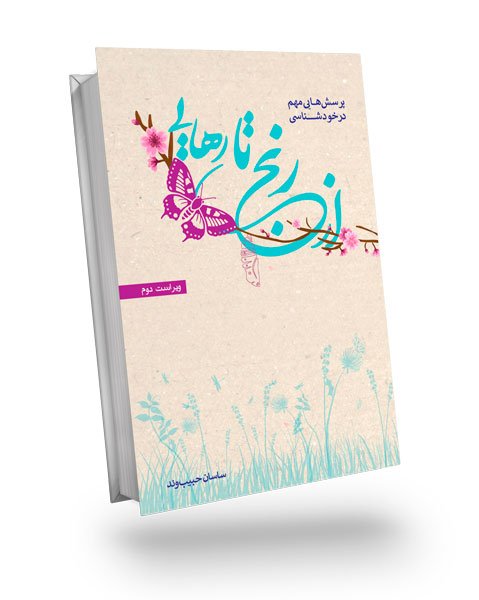
(Reflections on Suffering, Self-discovery and Transformation)
From Pain to Liberation is a collection of insightful discussions on transformation, relationships, joy, suffering, the meaning of life and internal conflicts. This book reveals that self-awareness is the only true path to consciousness and freedom. With eloquent language and a captivating narrative, From Pain to Liberation paints a vivid picture of this extraordinary journey, introducing readers to the unparalleled world of self-discovery.
Through a series of engaging talks, the book explores some of the most fundamental questions for those seeking peace and personal transformation, including,
Like most of the works of Sasan Habibvand, a key highlight of the book is its integration of philosophy, psychology and mysticism. From Pain to Liberation delves into the roots of mental and illusory suffering, examines the obstacles and challenges along the way, and offers clear and practical solutions for those embarking on a journey of transformation.
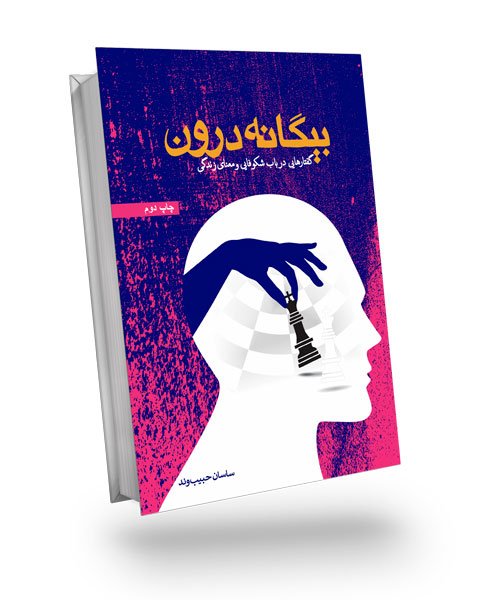
(Talks on Self-Actualization and the Meaning of Life)
Most of us assume that our decisions govern our behavior and shape our lives. However, this assumption blinds us to the presence of powerful hidden forces known as “preconceptions.” A preconception is a deeply ingrained belief embedded in the background of our minds—one that unconsciously dictates how we decide and behave. These preconceptions are like invisible masters, silently controlling us without our awareness.
For instance, some believe that “Life is about working hard, so one must toil from morning to night with little rest.” Others assume, “I am responsible for solving all my family’s problems.” Some hold the belief that “I must be perfect and never make mistakes!” Others think that society should dictate what is right or wrong and determine their self-worth.
Preconceptions are instilled in us during childhood, reinforced by fear and guilt, and govern our lives without question. We rarely challenge them or even imagine that life could be different. They operate silently, restricting change, fueling anxiety, and turning us into programmed machines following a predetermined course.
The Alien Within shines a light on the hidden nestles of these silent masters, unveiling their true nature and liberating us from their grip.
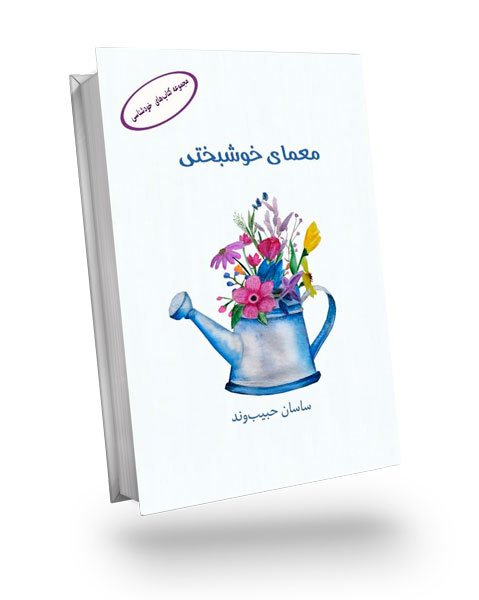
Happiness is one of the most perplexing and elusive concepts. Everyone seeks it, yet almost no one can precisely define it! But if we lack a clear understanding of our goal, how can we ever achieve it, no matter how much effort we put in?
For instance, if we fail to distinguish between material comfort and true happiness, or if we remain trapped in the fear of others’ judgments, how can we protect ourselves and our loved ones from suffering? No one deliberately chooses pain over joy, yet two fundamental questions remain at the heart of the matter: first, what is the path to happiness, and what state of being qualifies as true happiness? Second, what are the pitfalls that threaten happiness, and what leads to emotional decline?
Simply put, the reason most people struggle with happiness is twofold: a lack of a clear image of true happiness and a failure to recognise the obstacles that undermine it.
The Puzzle of Happiness seeks to untangle these questions, offering clarity and insight into one of life’s most essential pursuits.
Few words have been as misunderstood as selfishness. Yes, being selfish is actually a good thing—the problem is that we don’t know what true selfishness means.
If we understood selfishness, we would focus on our personal growth and well-being instead of meddling in others’ affairs. If we knew how to be selfish, we would do things for our own peace of mind rather than expecting gratitude or rewards from others. If we were selfish enough, we would prioritize our health and happiness instead of harming ourselves with resentment and negativity.
If we were selfish, we wouldn’t let others’ opinions dictate our choices—we would think for ourselves. If we were selfish, we would respect others not based on their worth, but based on our own. If we were selfish, we wouldn’t waste time tearing others down—we would work on elevating ourselves. If we were selfish, we wouldn’t be obsessed with proving ourselves right—we would use every critique as an opportunity for growth.
If we were selfish, we wouldn’t treat others as they treat us—we would act based on our own principles and values. Selfishness is not the problem. The problem is that we don’t know how to be selfish the right way.

The mind can be compared to a pond filled with fresh, clear water. As long as water flows into it from one side and out from the other, the pond remains clean, alive, and thriving. However, if the flow is blocked from either direction, the pond quickly turns stagnant, becoming a breeding ground for decay.
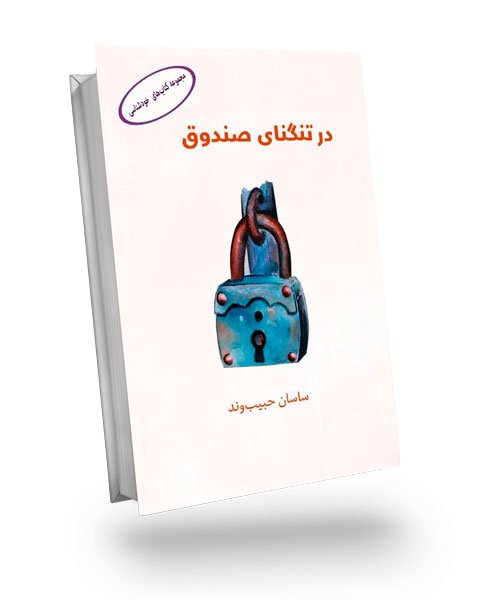
Reading, thinking, enjoying profound art and engaging in thought-provoking discussions act like a fresh stream, continuously replenishing the mind with new insights and keeping it vibrant and dynamic. Meanwhile, the ability to embrace criticism and refine one’s thoughts serves as the outlet that prevents stagnation. Without reading, contemplating, and questioning our own ideas, we risk becoming trapped in the murky swamp of outdated beliefs, losing our mental clarity and awareness. Exploring the roots of prejudice and closed-mindedness, along with reflections on how to cultivate a thriving and open mind, are among the central themes that Trapped in the Box deals with.
A teacher, frustrated with a student’s demeanour, deliberately lowers the student’s grade on an art project. The justification? “An ill-mannered student does not deserve a good grade!” Yet the grade was meant to reflect the quality of the project, not the student’s behavior. A parent who admires their child so much that they overlook all their flaws convinces themselves: “Everything they do must be right.”
A woman, enchanted by a man’s poetic words and enchanting comments, ignores all his personality flaws. But before long, we find the same woman in court, seeking a divorce from this once “wonderful man,” now describing him as a “monster.” A nation swept up by Hitler’s fiery rhetoric follows him blindly into war, leading to devastation on an unimaginable scale—only to later awaken in horror at what they have done.
These are all examples of how emotional needs interfere with rational thinking. This cognitive error—known as emotional reasoning—is one of the greatest sources of ignorance and suffering in our lives. In The Magic of the Mind, we explore the most common thinking traps that lead us astray—errors we often make without even realizing the steep price we pay for them.

The desire to break free from the chains of endless fears and regrets and fully embrace the joy of life has always been a fundamental human aspiration. Throughout history, wise sages have urged us to recognize the fleeting nature of existence and cherish the irreplaceable moments we are given.
The Persian philosopher and poet Omar Khayyam Nishaburi, one of the most profound thinkers on mortality, warns us:
“Oh, friend, let us not grieve over tomorrow,
But treasure the fleeting gift of life today.
For when we pass beyond this world,
We will stand shoulder to shoulder with seven-thousand-year-olds.”
As the pace of modern life accelerates, the importance of living in the moment has become an even more pressing concern. Everywhere—both in real life and online—we are constantly reminded to “Live in the present!”
But what does it truly mean to live in the present? Is there a formula for it? What would a life lived entirely in the now look like? Does embracing the present mean disregarding the past and future altogether? And if so, wouldn’t that disrupt our responsibilities, goals, and relationships?
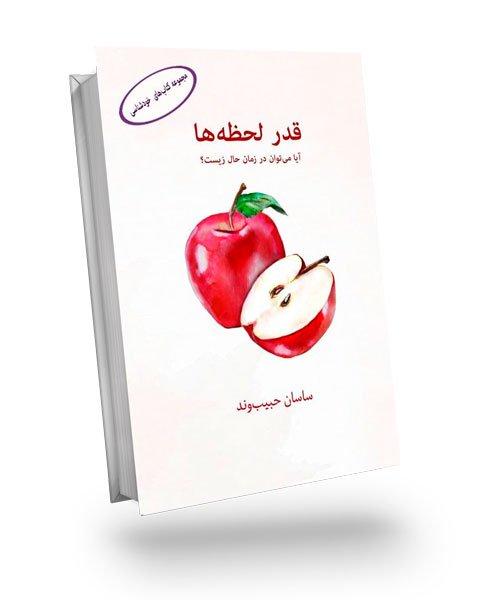
In The Value of Moments, we seek to answer these questions with clarity and depth. Join us on this journey as we uncover the true meaning of living in the now.
Breaking Free from Psychological Manipulation
Why are we so sensitive to others’ opinions? Why do we spend our lives trying to please people or prove ourselves to them? Why does a single word from someone else have the power to lift us up or crush us completely? Why does the fear of rejection consume our thoughts? Why do we hand over the reins of our confidence and happiness to others, allowing them to control us like puppets?
The answer is The Language of Deceit—a language of illusion and manipulation. This invisible tool, despite its widespread use, is inherently false and empty, much of what it conveys is void, misleading and outright deceptive. Yet, despite its falsehood, this language silently infiltrates our thoughts, shaping our emotions, and leading us to unnecessary suffering. It governs our minds, controlling our self-worth and well-being.
In this book, we pull back the curtain on this deceptive language and expose its true face, revealing the ways it manipulates us. By understanding its nature, we can free ourselves from its grip and reclaim our mental and emotional independence.


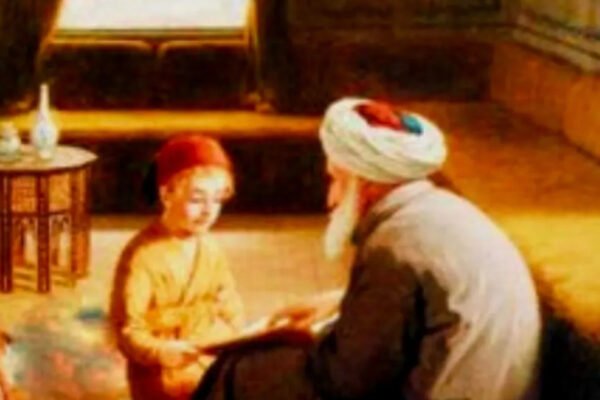






Out beyond ideas of wrongdoing and rightdoing, there is a field. I’ll meet you there.
Rumi – Poet
Lorem ipsum dolor sit amet, consectetur adipiscing elit. Non feugiat non at aenean in elit tortor etiam nunc.
Thank you for the impactful sessions I had with you. Although it feels like simply thanking you is insufficient, it’s all I can do for now. I struggled with myself for ten years, but in just these three sessions with you, I feel that my inner conflicts have lessened. I now see life and my problems from a different perspective. I genuinely thank you from the bottom of my heart.
My experience with your sessions was completely different from those with other counsellors, which is why I will continue attending them. I sincerely appreciate how your encouragement has transformed my life and helped me live with greater joy and peace of mind. Your approach made me realise the root cause of my issues and helped me focus on what is within my control. I also read a few of your books, which provided me with a new and profound perspective. Your work has allowed me to understand something that was troubling my soul, enabling me to see myself in a new light and act differently. I have personally recommended you and your books to several people and plan to give them as birthday gifts to my dear friends.
Migration, cultural differences, and a lack of sufficient information about life in Australia had a severe impact on my marital life with my husband. We were unable to establish proper boundaries in our relationship and with our children. However, from my very first consultation with Sasan, I realised how experienced, knowledgeable, and deeply insightful he is. His family counselling was the key to helping us build a healthy relationship, and now, after about two years, I am so happy with our decision. I strongly recommend Mr. Sasan as a counsellor to everyone without hesitation.
I have met an excellent psychologist, and I would love to introduce him to everyone. I was in the middle of a crisis and difficult circumstances, and I am so happy this happened. He stood by me with full support every step of the way, making sure I never felt alone or anxious.
My experience showed me that Mr Habibvand is not just a highly knowledgeable and professional counsellor but also a compassionate and understanding person. The atmosphere of his sessions is free of blame and judgment, which gives the client a special sense of support and security. I have seen many psychologists before, but Mr. Habibvand is truly different.
Thank you for these few sessions I had with you. I truly appreciate that you listened to my husband and me completely and wholeheartedly, without any judgment. And I am grateful for your guidance and insights, which helped me continue my life with a broader perspective. Once again, thank you for your kindness and support.
I must admit that, besides his extensive knowledge of psychology, Mr. Habibvand is also an incredibly kind and patient person. He listens without prejudice or judgment, and instead of making common assumptions, he responds with remarkable compassion and empathy. He never hesitates to offer help and support, which has significantly contributed to my deeper understanding of myself and my issues.
His style of conversation is extremely precise, thorough, and attentive to every word of the client. He examines each point carefully and untangles issues with a deep and delicate approach. For me, counselling with Mr. Habibvand has become a necessity, and every week, I eagerly await my session. These are my sincere words without any exaggeration, and I wholeheartedly recommend Mr. Habibvand to anyone seeking professional, empathetic, and effective counselling.
The counselling sessions I had with you were incredibly beneficial and valuable to me. For the first time after completing the sessions, I felt that I was speaking to someone who not only listened to me but truly understood me. This provided me with a great sense of mental peace.